
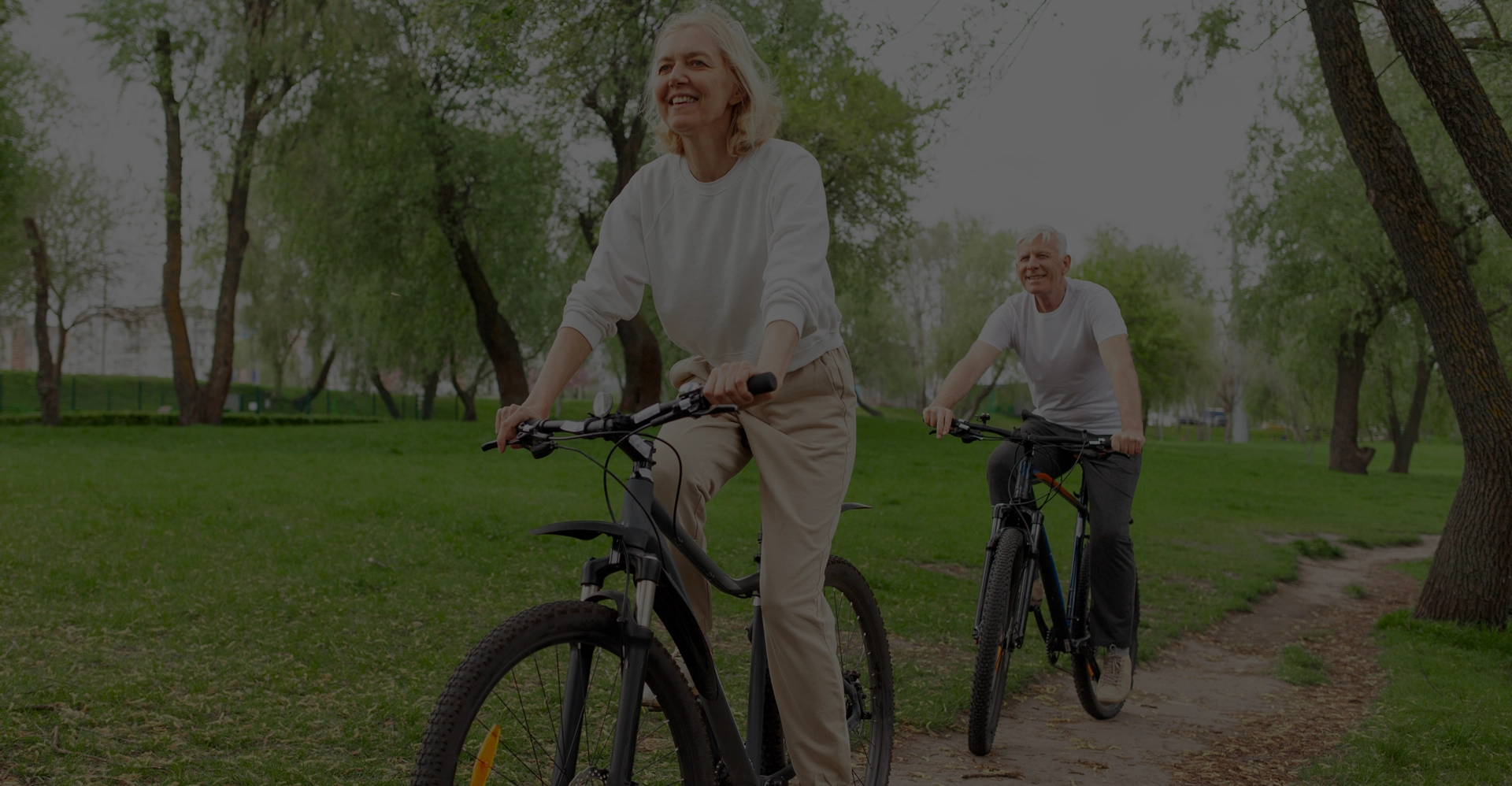
Thriving through active aging
Daily wellness and independence for seniors
Preserving functional autonomy is essential for a fulfilling senior lifestyle. By adopting preventive care, geriatric nutrition, and cognitive stimulation routines, older adults maintain their independence and holistic well-being.
Optimizing home living for seniors
Home adaptation solutions

01
Secure bathroom accessibility
Install stainless grab bars, a bath transfer bench, and anti-slip flooring to enhance accessibility and prevent wet-room falls.

02
Home entry accessibility
Wheelchair ramps, door wideners, and motion-sensor lighting facilitate safe entry and reduce trip hazards.

03
Functional and ergonomic spaces
Adjust furniture risers, organize essential items, and clear trip hazards for a fall-proof living space.

Prioritizing physical wellness for seniors
Sustaining geriatric physical health involves focused wellness pillars. Vitality relies on senior-specific nutrition, while muscle mass requires low-impact exercise. Restorative sleep aids cognitive function and repair. Furthermore, joint-protection techniques prevent mobility loss and manage chronic pain effectively.
- Nutritional plans meeting metabolic changes in seniors.
- Low-impact cardio and resistance training for aging bodies.
- Restorative sleep cycles supporting cognitive health.
- Flexibility drills enhancing balance and gait stability.
Strategies for mental and emotional wellness
Psychological well-being is crucial in later life. Developing coping strategies for stressors nurtures a resilient mindset. Social connectivity offers vital support against isolation, while mindfulness therapy enhances cognitive focus, reduces anxiety disorders, and ensures emotional stability.

Stress reduction techniques
Relaxation methods like deep breathing and meditation help seniors manage physiological stress responses.

Building psychological resilience
Strengthening adaptive capacity allows older adults to face challenges without long-term psychological distress.

The function of support networks
Maintaining intergenerational relationships provides a sense of belonging and essential emotional stability.
Medical care and remote monitoring systems
Geriatric health management relies on med-tech to monitor vital signs and connect with clinicians. Remote patient monitoring allows continuous tracking, enabling timely clinical interventions. These telecare systems manage chronic diseases and support medication adherence through digital reminders.
Remote health tracking
Wearable biosensors send health metrics, like heart rate variability, to physicians for ongoing tele-monitoring.
Telemedicine consultations
Virtual visits with specialists offer convenient access to medical guidance and follow-up care remotely.

Automated medication dispensers
Smart dispensers and compliance apps ensure prescription adherence, supporting safe and effective pharmacotherapy.
Proactive health management
The importance of prevention in healthy aging
Proactive health strategies emphasize preventing pathologies before onset. This includes senior nutrition, regular mobility work, and attending preventive screenings. Health literacy helps adults understand comorbidities and make decisions supporting longevity while reducing chronic disease risks.
Remote care and home safety frameworks
Creating a hazard-free environment preserves independence. Systematically address fall risks like loose rugs or poor lighting. Personal Emergency Response Systems (PERS) provide immediate access to help during falls or medical emergencies.
Combined with telecare technologies, these safety protocols form a supportive ecosystem enabling seniors to age in place securely.

Senior-specific supplemental health insurance
Healthcare requirements become specific with age. Senior supplemental insurance addresses out-of-pocket costs not reimbursed by public health schemes, covering specialist fees, optical correction, audiology, or dental prosthetics. These policy options offer modular plans matching budgets, while providing services like care provider networks, telemedicine, and domestic assistance. Comprehensive health coverage guarantees financial protection, facilitating daily life and preserving senior independence.
Mobility aids and accessories for seniors
Assistive equipment helps seniors maintain locomotion and support ADLs. These mobility devices provide stability, reduce fall risk, and conserve energy. Choosing the right aid—from a walking stick to a power scooter—depends on physical needs and the usage environment.
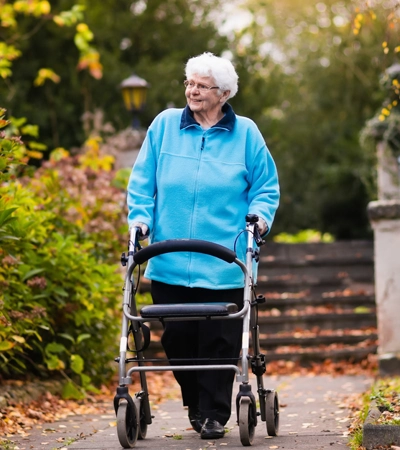
Rollators and canes provide stability for seniors needing postural support when standing or ambulating.
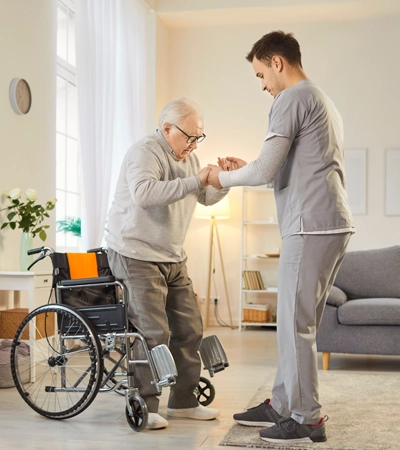
Ergonomic wheelchairs and mobility scooters assist those with difficulty walking long distances.

Transfer aids and adaptive tools effectively help individuals with tasks like bathing, dressing, and cooking.