
Maintaining health and well-being becomes increasingly complex as we age, requiring a thoughtful approach to medical oversight and continuous health tracking. For seniors and individuals with reduced mobility, establishing effective medical care and monitoring systems represents far more than clinical necessity—it becomes the foundation for preserving independence, preventing complications, and ensuring peace of mind for both patients and their families.
The landscape of medical monitoring has evolved dramatically, offering options that range from traditional in-person checkups to sophisticated remote monitoring technologies. Understanding how different care settings function, which health parameters require regular tracking, and how various technologies can support ongoing health management empowers seniors and caregivers to make informed decisions. This comprehensive overview explores the essential components of medical care and monitoring, providing practical insights into devices, care coordination, medication management, and emergency preparedness strategies tailored to the unique needs of older adults.
Medical monitoring encompasses the systematic observation and recording of health indicators that reveal how well the body functions. For older adults, consistent monitoring serves as an early warning system, detecting subtle changes before they escalate into serious health crises.
Certain physiological measurements provide critical insights into overall health status. Blood pressure monitoring helps detect hypertension and cardiovascular risks, while blood glucose tracking proves essential for diabetes management. Heart rate and rhythm monitoring can identify arrhythmias or other cardiac concerns, and oxygen saturation levels reveal respiratory function—particularly important for those with chronic lung conditions.
Beyond these vital signs, weight fluctuations can signal fluid retention or nutritional issues, temperature monitoring helps identify infections, and pain assessments guide treatment adjustments. The specific parameters requiring regular attention depend on individual health conditions, medications, and physician recommendations.
The value of health monitoring lies not in occasional measurements but in establishing patterns over time. Daily readings at consistent times—such as checking blood pressure each morning before medication—create reliable baselines that make meaningful changes easier to identify.
Healthcare providers typically establish monitoring schedules based on condition severity and treatment stability. Someone recently diagnosed with hypertension might check readings twice daily, while a well-controlled patient might reduce to weekly monitoring. Recording these measurements in a log or digital app transforms raw data into actionable health intelligence that physicians can use to optimize treatment plans.
The environment where care occurs significantly influences monitoring approaches, available resources, and the balance between independence and support. Each setting offers distinct advantages tailored to different health needs and personal preferences.
Remaining at home represents the preferred option for most seniors, offering familiarity, comfort, and autonomy. Home-based medical care combines periodic visits from healthcare professionals with self-monitoring activities and family caregiver support. Visiting nurses can perform clinical assessments, physical therapists provide rehabilitation services, and home health aides assist with daily living activities.
This model works particularly well for individuals with stable chronic conditions who can manage routine monitoring tasks independently or with minimal assistance. The challenge lies in ensuring consistent adherence to monitoring schedules and recognizing when changes warrant professional attention.
When home care becomes insufficient due to increasing care needs or safety concerns, residential facilities offer structured environments with varying levels of medical supervision. Assisted living communities provide support with daily activities while residents maintain substantial independence, often including medication reminders and basic health monitoring by trained staff.
Skilled nursing facilities deliver comprehensive medical care for those requiring constant supervision, complex wound care, or intensive rehabilitation. These settings feature 24-hour nursing staff capable of responding immediately to health changes, conducting regular assessments, and coordinating with physicians for treatment adjustments.
Acute medical events or significant health deterioration necessitate hospital-level care with continuous monitoring capabilities. Hospitals provide advanced diagnostic equipment, specialist consultations, and intensive observation that outpatient settings cannot match.
Following hospital discharge, transitional care programs help bridge the gap back to home or facility settings, ensuring monitoring continuity during this vulnerable period when readmission risks peak. Specialty clinics focused on specific conditions—cardiac centers, diabetes management programs, or memory care units—offer targeted expertise for complex health needs.
The tools available for tracking health parameters have expanded remarkably, making clinical-grade monitoring accessible in everyday environments. Selecting appropriate devices requires balancing accuracy, ease of use, and specific health requirements.
Reliable standalone devices remain the foundation of home health monitoring. Digital blood pressure monitors with upper-arm cuffs typically provide the most accurate readings, though wrist models offer greater convenience for those with limited dexterity. Blood glucose meters have become increasingly user-friendly, with many models requiring smaller blood samples and offering rapid results.
Pulse oximeters—small devices that clip onto fingertips—measure oxygen saturation and heart rate within seconds, proving invaluable for respiratory condition management. Digital thermometers deliver fast, accurate temperature readings, while weight scales designed for medical use often include features like handrails for stability and large, easy-to-read displays.
When selecting traditional monitoring equipment, prioritize devices with:
Smart health technology integrates monitoring capabilities with digital connectivity, automatically transmitting data to smartphones, tablets, or healthcare platforms. Connected blood pressure monitors sync readings to apps that track trends, generate reports, and can share information directly with physicians.
Continuous glucose monitors represent a significant advancement for diabetes management, using small sensors inserted under the skin to measure glucose levels throughout the day and night, alerting users to dangerous highs or lows. Wearable fitness trackers and smartwatches have evolved to include medical-grade sensors for heart rate monitoring, fall detection, and irregular rhythm notifications.
These technologies excel at identifying patterns invisible in occasional manual checks, such as nighttime blood pressure variations or activity-related glucose fluctuations. However, they require comfort with digital interfaces and reliable internet connectivity—considerations that may challenge some seniors.
The integration of telecommunications technology into healthcare delivery has transformed how seniors access medical expertise and maintain care continuity. Telehealth services encompass video consultations, phone appointments, and digital messaging with healthcare providers, eliminating travel barriers that often complicate care for those with mobility limitations.
Remote patient monitoring (RPM) programs take connectivity further, with healthcare teams actively reviewing transmitted health data and intervening proactively when concerning trends emerge. A patient might use connected devices to measure vital signs, with readings automatically flowing to clinical staff who monitor for abnormalities. If blood pressure readings climb steadily over several days, a nurse might contact the patient to adjust medications before a crisis develops.
These systems prove particularly valuable for managing chronic conditions requiring frequent adjustment, post-hospitalization follow-up, and situations where geography or transportation challenges limit clinic access. Successful telehealth participation requires basic technological literacy, adequate internet connectivity, and devices with cameras and microphones for video visits—though many programs provide equipment and training to overcome these barriers.
Comprehensive medical monitoring rarely involves a single healthcare provider. Most seniors interact with multiple specialists, each focusing on specific conditions or organ systems. Effective care coordination ensures these providers communicate, treatment plans align, and monitoring efforts complement rather than duplicate each other.
A primary care physician typically serves as the central coordinator, maintaining the complete health picture and reconciling recommendations from specialists. Regular communication with this provider—sharing monitoring logs, reporting new symptoms, and discussing specialist visits—keeps everyone informed and prevents conflicting treatments.
Creating a centralized health record that travels with you to appointments proves invaluable. This document should include:
Family caregivers often play crucial roles in care coordination, attending appointments, managing communications, and ensuring monitoring consistency. Clear documentation and organized information sharing make this collaborative approach more effective.
For many seniors, daily medication regimens involve multiple prescriptions taken at different times, creating complexity that challenges even organized individuals. Medication non-adherence—missing doses, taking incorrect amounts, or stopping medications prematurely—represents a significant health risk that monitoring systems should address.
Practical tools for medication management include pill organizers with compartments for different times and days, making it immediately visible whether doses were taken. Medication reminder apps send alerts at scheduled times, while smart pill dispensers can notify caregivers if doses are missed. Some pharmacies offer synchronized refills, ensuring all medications arrive together monthly rather than on scattered schedules.
Regular medication reviews with healthcare providers help identify drugs that may no longer be necessary, potential interactions between medications, and opportunities to simplify regimens. Bringing all medication bottles—including over-the-counter drugs and supplements—to these reviews ensures nothing gets overlooked.
Understanding the purpose of each medication and how it relates to monitored health parameters creates meaningful connections. Recognizing that blood pressure medication aims to keep readings below specific targets, for instance, makes monitoring results more relevant and adherence more motivated.
Even with excellent preventive monitoring, medical emergencies can occur suddenly, making rapid response capabilities essential—particularly for seniors living alone or spending significant time unsupervised. Medical alert systems provide immediate access to help through wearable devices with emergency buttons that connect to monitoring centers staffed around the clock.
Modern systems extend beyond basic call buttons to include automatic fall detection using motion sensors, GPS tracking for those who wander due to cognitive impairment, and two-way communication allowing responders to assess situations and coordinate appropriate help. Some integrate with smart home technology, enabling voice-activated emergency calls or automated alerts if unusual patterns occur—such as bathroom lights not turning on during typical morning hours.
Establishing emergency protocols ensures everyone knows how to respond when monitoring reveals concerning changes. This includes:
Testing emergency systems regularly—pressing alert buttons to verify functionality, ensuring batteries remain charged, and updating contact information—prevents failures when seconds matter most.
Effective medical care and monitoring creates a comprehensive safety net that supports healthy aging while preserving independence as long as safely possible. By understanding available technologies, coordinating care providers, maintaining consistent health tracking, and preparing for emergencies, seniors and their families build robust systems that respond to changing needs. The goal extends beyond simply detecting problems—it encompasses creating confidence that health changes will be noticed early, addressed promptly, and managed with expertise that honors individual preferences and quality of life priorities.

In summary: Shift your mindset from a passive patient to an informed partner by understanding the “why” behind your medications. Identify and question “prescribing cascades,” where a new drug is prescribed to treat the side effect of another. Prepare for…
Read more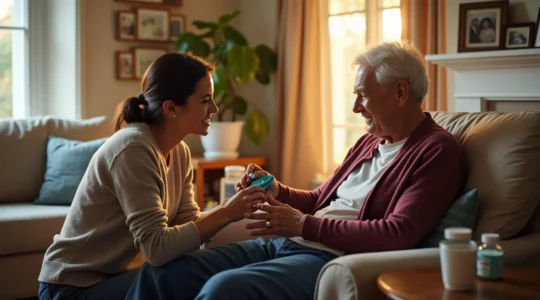
In summary: The 30 days post-discharge are a high-risk period where system failures at home, not the initial illness, often cause readmission. Success depends on building a proactive risk-mitigation system, not just passively following a checklist. Key protocols involve precise…
Read more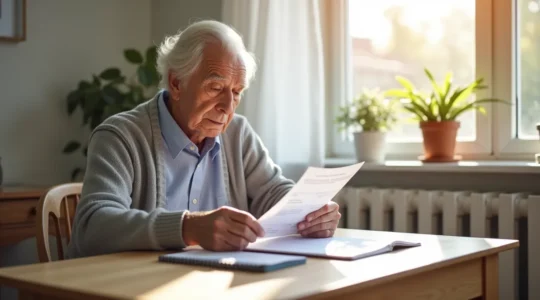
In summary: Stop being a passive patient; become a “Patient-as-Presenter” by structuring your appointment like a professional briefing. Master your visual presentation by controlling lighting and camera angles to accurately show, not just tell, your symptoms. Use structured communication frameworks…
Read more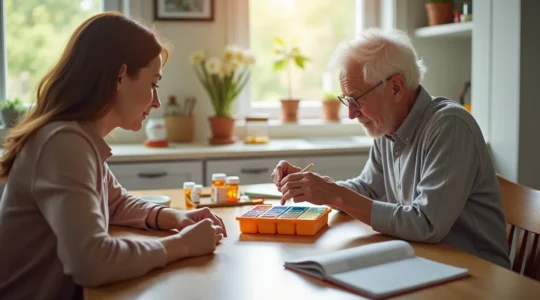
The real challenge of living with multiple chronic conditions isn’t just the illnesses—it’s the crushing “treatment burden” of managing them. The solution is not to become a more efficient administrator, but to fundamentally shift your role from a passive patient…
Read more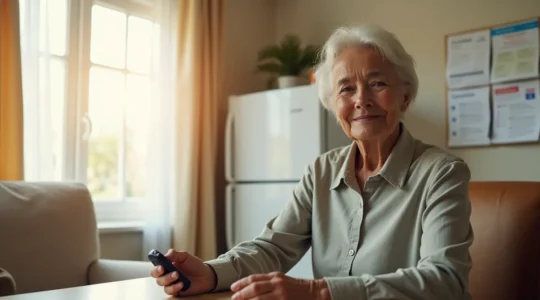
In summary: True safety when living alone isn’t about owning emergency tools, but designing a complete, practiced system that eliminates delays. A structured contact tree with assigned roles is more effective than a simple list of names. Every minute counts…
Read more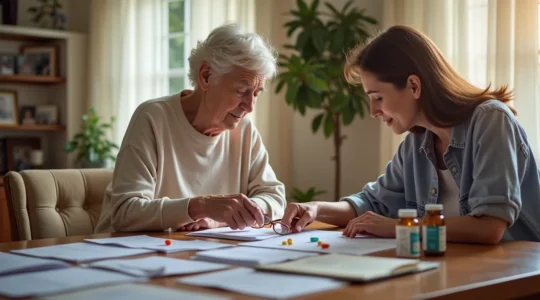
Managing a senior’s complex health isn’t about working harder; it’s about implementing a professional coordination framework that gives you control. Centralize information in a “Grab-and-Go” file and use a single pharmacy to eliminate dangerous errors and information silos. Implement a…
Read more
In summary: Chronic arthritis pain can be managed by moving beyond passive pill-taking to a proactive, holistic approach. Effective strategies include targeted physical therapies (heat/cold, TENS), significant dietary changes to reduce inflammation, and safe, joint-friendly exercise. Understanding the risks of…
Read more