
Mental and emotional health represents one of the most vital yet often overlooked aspects of aging well. While physical health typically receives considerable attention, the psychological and emotional dimensions of senior wellbeing deserve equal focus. Your mental state profoundly influences your quality of life, affecting everything from daily functioning to relationships, physical health, and overall life satisfaction.
The landscape of mental and emotional health in later life encompasses far more than simply avoiding mental illness. It involves actively cultivating emotional resilience, maintaining meaningful connections, adapting to life transitions, and developing strategies that support psychological wellbeing. This comprehensive resource explores the foundations of mental health for seniors, common challenges you may encounter, and practical approaches to nurture your emotional wellness throughout your later years.
Mental and emotional health refers to your psychological state, encompassing how you think, feel, and cope with life’s demands. For seniors, this dimension of health involves unique considerations shaped by decades of life experience, changing roles, and the natural transitions that accompany aging.
Contrary to persistent myths, aging does not inevitably lead to cognitive decline or depression. Many older adults report higher levels of life satisfaction and emotional stability compared to younger years, having developed effective coping mechanisms and perspective through experience. However, certain life changes common in later years—such as retirement, bereavement, health challenges, or reduced mobility—can create vulnerability to mental health struggles.
The concept of emotional wellbeing extends beyond the absence of mental illness to include positive elements: the ability to experience joy, maintain hope, adapt to change, and find meaning in daily life. Think of it as a spectrum rather than a binary state, where you can actively work toward greater wellness regardless of your starting point.
Recognizing the mental health challenges that commonly affect older adults represents the first step toward addressing them effectively. Awareness helps distinguish normal aging experiences from conditions requiring attention.
Depression affects approximately 15-20% of seniors, yet it frequently goes undiagnosed because symptoms may be mistaken for normal aging or other health conditions. Unlike temporary sadness, clinical depression persists for weeks or months and significantly impacts daily functioning.
Key indicators include persistent low mood, loss of interest in previously enjoyable activities, changes in appetite or sleep patterns, fatigue, difficulty concentrating, and feelings of worthlessness. Depression is not a character flaw or inevitable part of aging—it’s a treatable medical condition. Risk factors include chronic health conditions, certain medications, social isolation, and significant life losses.
Anxiety disorders represent another common yet underrecognized challenge for seniors. Excessive worry about health, finances, family, or safety can become overwhelming, manifesting as restlessness, muscle tension, sleep disturbances, or physical symptoms like rapid heartbeat.
For individuals with mobility challenges or chronic conditions, anxiety may intensify around concerns about independence, falling, or becoming a burden to others. The physical symptoms of anxiety can sometimes be confused with cardiac or other medical issues, making proper diagnosis essential.
Later life inevitably involves experiencing losses—of loved ones, physical abilities, independence, familiar roles, or cherished routines. Grief is a natural, necessary response to loss, but complicated grief that doesn’t improve over time may require professional support.
Healthy grief processing involves allowing yourself to feel emotions, maintaining connections with others, and gradually adapting to life without what was lost. Understanding that grief follows no rigid timeline and may resurface unexpectedly helps normalize this profound experience.
The relationship between physical and mental health operates bidirectionally—each profoundly influences the other. Chronic health conditions like diabetes, heart disease, arthritis, or neurological disorders can increase vulnerability to depression and anxiety. Conversely, poor mental health can worsen physical symptoms, decrease motivation for self-care, and compromise immune function.
Pain represents a particularly significant factor in this connection. Chronic pain affects mood, sleep, social engagement, and overall quality of life, creating a cycle where pain worsens mental health, which in turn intensifies pain perception. Breaking this cycle often requires addressing both dimensions simultaneously.
For individuals with reduced mobility, the psychological impact of physical limitations extends beyond frustration with specific tasks. It may affect identity, social participation, and sense of autonomy. Recognizing these emotional dimensions alongside physical challenges enables more comprehensive support strategies.
Medications also play a complex role in the mind-body connection. Some medications prescribed for physical conditions can affect mood or cognition as side effects, while others may interact in ways that impact mental state. Regular medication reviews with healthcare providers help identify and address these issues.
Emotional resilience—the capacity to adapt to stress, adversity, and change—can be actively developed and strengthened at any age. It doesn’t mean avoiding difficult emotions, but rather developing skills to navigate them effectively.
Social isolation and loneliness represent significant risk factors for mental health problems in seniors. Meaningful social connections provide emotional support, practical assistance, cognitive stimulation, and sense of belonging—all protective factors for mental wellness.
Quality matters more than quantity in relationships. A few close, supportive connections offer greater benefit than numerous superficial ones. For those with mobility challenges, technology can facilitate connection through video calls, while community programs, religious organizations, or interest-based groups provide in-person opportunities.
Consider these approaches to strengthen social ties:
Retirement and other life transitions can create a sense of lost purpose, particularly if your identity was closely tied to work or roles that have changed. Cultivating renewed purpose significantly enhances emotional wellbeing and provides motivation and direction.
Purpose doesn’t require grand achievements. It might involve mentoring others, pursuing creative interests, deepening relationships, engaging with nature, or contributing to your community. The key is identifying what brings you satisfaction and aligns with your values, then integrating it into daily life.
Reflect on questions like: What activities make time pass quickly because you’re absorbed? What would you like to learn or accomplish? How do you want to be remembered? What problems in your community concern you? These explorations can reveal pathways to meaningful engagement.
Supporting your mental and emotional health involves integrating evidence-based practices into your daily routine. Small, consistent actions accumulate significant benefits over time.
Mindfulness—paying attention to the present moment without judgment—has demonstrated effectiveness in reducing anxiety, improving mood, and enhancing overall wellbeing. It doesn’t require special equipment or physical flexibility, making it accessible regardless of mobility limitations.
Simple practices include focused breathing (noticing each inhale and exhale for several minutes), body scan meditation (systematically attending to sensations throughout your body), or mindful observation (fully engaging your senses with your immediate environment). Even five minutes daily can produce noticeable benefits.
Other relaxation techniques include progressive muscle relaxation, guided imagery, or listening to calming music. Experiment to discover what resonates with you, remembering that the best technique is the one you’ll actually practice consistently.
Exercise powerfully influences mental health through multiple mechanisms: releasing mood-enhancing endorphins, reducing stress hormones, improving sleep, providing a sense of accomplishment, and potentially offering social interaction. The mental health benefits occur even with moderate activity adapted to your abilities.
For seniors with mobility challenges, seated exercises, water aerobics, gentle stretching, or short walks all provide benefits. The key is finding movement that feels safe and enjoyable rather than forcing yourself into activities that feel overwhelming or risky. Consistency matters more than intensity.
Keeping your mind engaged through learning and mental challenges supports cognitive health while providing satisfaction and purpose. Lifelong learning might involve reading, puzzles, learning a language or instrument, taking classes, or exploring new hobbies.
Creative activities like art, music, writing, or crafts offer dual benefits: cognitive engagement combined with emotional expression. They provide healthy outlets for processing feelings while creating tangible products that offer satisfaction and potential for sharing with others.
Recognizing when self-help strategies aren’t sufficient represents wisdom, not weakness. Professional mental health support can make a profound difference, yet many seniors hesitate due to stigma, cost concerns, or belief that their struggles don’t warrant help.
Consider seeking professional assistance if you experience:
Mental health professionals include psychologists, psychiatrists, licensed counselors, and social workers who specialize in geriatric mental health. Treatment might involve talk therapy, medication, or combination approaches. Many professionals now offer telehealth options, increasing accessibility for those with transportation or mobility challenges.
Your primary care physician can provide referrals, or you might contact community mental health centers, senior services organizations, or religious communities for resources. Many insurance plans cover mental health services, though coverage varies, so verify your specific benefits.
Mental and emotional health represents an ongoing journey rather than a destination. By understanding common challenges, implementing daily wellness practices, maintaining meaningful connections, and seeking support when needed, you actively invest in your quality of life. Your mental wellbeing deserves the same attention and care as your physical health—nurturing both creates the foundation for truly thriving in your later years.

Mindfulness is more than a relaxation tool; it is a form of neurological exercise that physically restructures the brain to defend against age-related cognitive decline. Chronic stress is proven to shrink the brain’s memory center (hippocampus), directly contributing to “senior…
Read more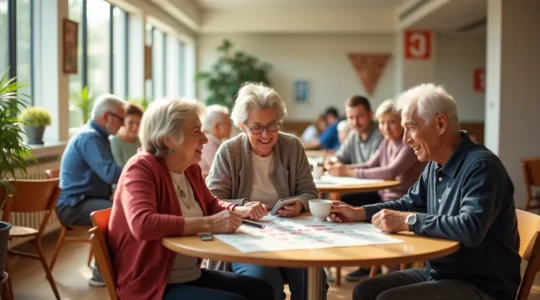
In summary: Social isolation is a critical health issue, with risks comparable to smoking, but it can be managed with a proactive strategy. Building a “Support Ecosystem” involves activating different layers of help, from informal neighbor check-ins to professional services….
Read more
The effectiveness of social connection for seniors isn’t a battle between pixels and presence, but a strategic choice based on the specific psychological need it fulfills. Digital tools excel at providing immediate, on-demand comfort (like a familiar voice), while physical…
Read more
Coping with loss can feel isolating, especially when common advice about the “stages of grief” doesn’t match your experience. The truth is, healing isn’t a straight line. This guide offers a more compassionate perspective, reframing grief as an active and…
Read more
The secret to a fulfilling solo retirement isn’t finding one perfect hobby, but strategically designing a balanced ‘Purpose Portfolio’. Most advice focuses on ‘filling time’, leading to a cycle of boredom and dissatisfaction. A portfolio approach consciously balances activities for…
Read more